


As a cold storage panel supplier, I understand the critical importance of proper transportation for these panels. Cold storage panels are essential components in creating efficient and reliable cold storage facilities, and any damage during transportation can lead to significant losses in terms of time, money, and functionality. In this blog post, I will share some key considerations and best practices on how to transport cold storage panels safely and effectively.
Understanding the Characteristics of Cold Storage Panels
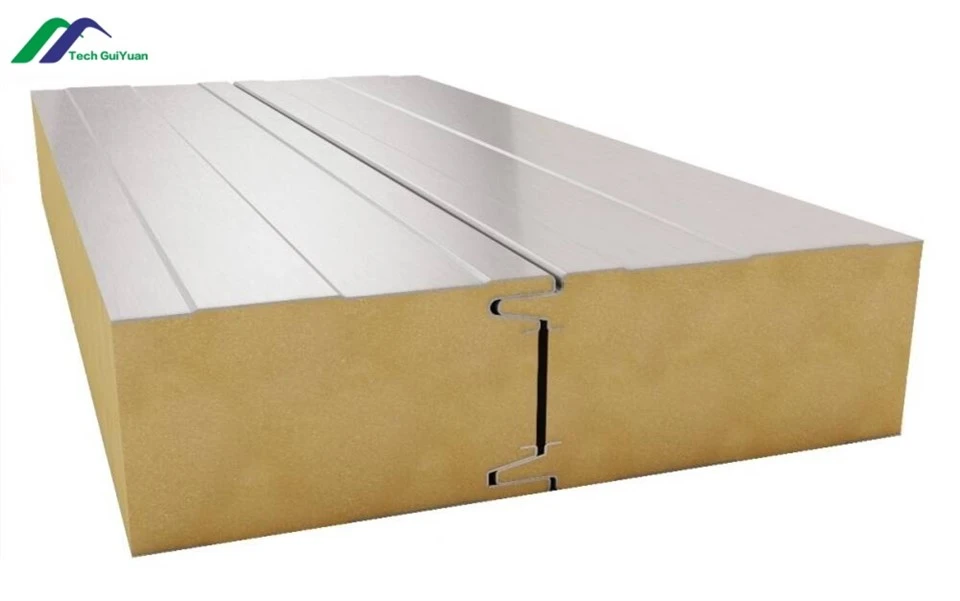
Before delving into the transportation process, it's crucial to understand the unique characteristics of cold storage panels. These panels are typically made of high - quality insulation materials such as polyurethane, which provides excellent thermal insulation properties. They come in various sizes, thicknesses, and configurations to meet different cold storage requirements.
Cold storage panels are often large and relatively heavy, which makes them challenging to handle and transport. Additionally, they are sensitive to physical damage, such as scratches, dents, and punctures, which can compromise their insulation performance. Some panels may also have delicate surface finishes or coatings that need to be protected during transit.
Pre - transportation Preparation
Inspection and Packaging
The first step in transporting cold storage panels is to conduct a thorough inspection of each panel. Check for any visible damage, such as cracks, chips, or deformities. Any damaged panels should be set aside for repair or replacement before shipping.
Proper packaging is essential to protect the panels during transportation. Use high - quality packaging materials, such as foam padding, cardboard, or plastic wraps, to cushion the panels and prevent them from rubbing against each other. Secure the packaging with strong tape or straps to ensure it stays intact during transit.
Loading Plan
Develop a detailed loading plan based on the size and quantity of the panels, as well as the type of transportation vehicle. Consider the weight distribution to prevent overloading on one side of the vehicle, which can affect its stability. Place the heavier panels at the bottom and the lighter ones on top.
If possible, use pallets to stack the panels. Pallets make it easier to load and unload the panels using forklifts or other handling equipment. Ensure that the pallets are in good condition and can support the weight of the panels.

Choosing the Right Transportation Method
Road Transportation
Road transportation is one of the most common methods for transporting cold storage panels. It offers flexibility in terms of delivery locations and schedules. When choosing a road transportation provider, look for a company with experience in transporting large and fragile goods.
Ensure that the truck used for transportation is in good condition and has a flat, stable bed. The truck should also be equipped with proper tie - down points to secure the panels during transit. Use straps or ropes to tie down the panels tightly to prevent them from shifting or falling during the journey.
Rail Transportation
Rail transportation can be a cost - effective option for long - distance shipments of cold storage panels. It is generally more environmentally friendly and can handle large volumes of goods. However, rail transportation may have limitations in terms of delivery flexibility, as it requires access to rail terminals.
When using rail transportation, work with a reliable freight forwarder who can handle the loading, unloading, and transfer of the panels between the railcars and other transportation modes. Ensure that the railcars are properly secured and that the panels are protected from the elements during transit.
Sea Transportation
For international shipments or long - distance deliveries over water, sea transportation may be the best option. Use shipping containers to transport the cold storage panels. Choose the appropriate container size based on the quantity and size of the panels.
Before loading the panels into the container, line the container with protective materials to prevent damage from the container walls. Secure the panels inside the container using braces, straps, or other securing devices. Make sure the container is properly sealed to protect the panels from moisture and saltwater during the voyage.
During Transportation
Monitoring
Regardless of the transportation method chosen, it's important to monitor the panels during transit. If possible, use tracking devices to keep an eye on the location and condition of the shipment. Temperature and humidity sensors can also be installed to ensure that the panels are not exposed to extreme environmental conditions.
Regularly check the securing devices to make sure they are still tight and that the panels have not shifted. If any issues are detected during the journey, take immediate action to address them.
Handling at Transfer Points
If the shipment involves multiple transportation modes or transfer points, special care should be taken during the handling process. Ensure that the handling equipment, such as forklifts or cranes, is in good condition and operated by trained personnel.
When transferring the panels from one vehicle to another, follow the proper loading and unloading procedures. Avoid dropping or rough handling the panels, as this can cause damage.
Unloading and Installation
Unloading
Upon arrival at the destination, unload the cold storage panels carefully. Use the same handling equipment and procedures as during loading. Inspect the panels again for any damage that may have occurred during transportation.
If any damaged panels are found, document the damage immediately and contact the transportation provider or insurance company, if applicable.
Installation
Once the panels are unloaded, they should be installed as soon as possible. Follow the manufacturer's installation instructions carefully to ensure that the panels are installed correctly and that the cold storage facility functions properly.
Conclusion
Transporting cold storage panels requires careful planning, proper packaging, and appropriate handling. By following the best practices outlined in this blog post, you can minimize the risk of damage to the panels during transportation and ensure that they arrive at the destination in good condition.
If you are in the market for high - quality cold storage panels, we offer a wide range of products, including Cold Room Insulation Panels, Polyurethane Cold Room Panels, and Panels For Cold Room. Our panels are designed to meet the highest standards of quality and performance.
We are always ready to assist you with your cold storage panel needs. If you have any questions or would like to discuss your specific requirements, please feel free to contact us for a procurement negotiation. We look forward to working with you to create the perfect cold storage solution.
References
- Cold Storage Panel Installation and Maintenance Guide, Manufacturer's Manual
- Transportation Best Practices for Fragile Goods, Industry Whitepaper
- International Shipping Regulations for Construction Materials, Regulatory Documents


