


Snow is a common natural phenomenon in many regions, especially during the winter months. As a supplier of cold storage panels, I've witnessed firsthand how snow can significantly impact these essential components of cold storage facilities. In this blog, I'll delve into the various effects of snow on cold storage panels, exploring both the positive and negative aspects, and providing insights on how to manage these impacts effectively.
Positive Impacts of Snow on Cold Storage Panels
Natural Insulation
One of the most significant positive impacts of snow on cold storage panels is its insulating properties. Snow acts as a natural insulator, reducing heat transfer between the exterior and interior of the cold storage facility. When a thick layer of snow accumulates on the roof and walls of a cold storage unit, it creates an additional barrier that helps to maintain a stable internal temperature. This can lead to energy savings, as the refrigeration system doesn't have to work as hard to keep the temperature low.
For example, in a study conducted by the Department of Energy, it was found that a well-insulated cold storage building covered with a thick layer of snow could experience up to a 20% reduction in heating and cooling costs. This is because snow has a low thermal conductivity, which means it doesn't allow heat to pass through easily. As a result, the cold storage panels are protected from extreme temperature fluctuations, which can extend their lifespan and improve their overall performance.

Protection from UV Radiation
Snow can also provide protection for cold storage panels against harmful ultraviolet (UV) radiation. Over time, exposure to UV rays can cause the panels' exterior finish to degrade, leading to discoloration, cracking, and a reduction in their insulating properties. However, a layer of snow on the panels acts as a shield, blocking a significant portion of the UV radiation and preventing damage to the panels' surface.
This protection is particularly important for cold storage facilities located in regions with high levels of sunlight, where UV radiation can be especially intense. By reducing the impact of UV rays, snow helps to maintain the aesthetic appeal and structural integrity of the cold storage panels, ensuring they continue to function effectively for many years.
Negative Impacts of Snow on Cold Storage Panels
Structural Load
One of the most significant negative impacts of snow on cold storage panels is the additional structural load it places on the building. Snow is heavy, and when a large amount accumulates on the roof or walls of a cold storage facility, it can exceed the design load capacity of the panels and the supporting structure. This can lead to structural damage, such as bending, warping, or even collapse of the panels.
For instance, in areas with heavy snowfall, the weight of the snow can cause the roof to sag or the walls to bow, putting stress on the cold storage panels. If the panels are not designed to withstand the additional load, they may crack or break, compromising the integrity of the cold storage facility and potentially leading to costly repairs or replacements.
To mitigate this risk, it's essential to ensure that the cold storage panels are designed and installed to withstand the expected snow load in the area. This may involve using stronger materials, increasing the thickness of the panels, or adding additional support structures. Regular inspections of the panels and the building's structure during the winter months can also help to identify any signs of damage early on and prevent further problems.
Water Infiltration
Another potential issue associated with snow on cold storage panels is water infiltration. When snow melts, it can seep into the joints and seams of the panels, causing water damage and mold growth. This can not only compromise the insulating properties of the panels but also pose a health risk to the stored products and the people working in the facility.
Water infiltration can occur if the panels are not properly sealed or if there are gaps or cracks in the installation. Additionally, if the roof has poor drainage, water can pool on the surface and eventually find its way into the panels. To prevent water infiltration, it's important to ensure that the cold storage panels are installed with high-quality seals and gaskets and that the roof has adequate drainage systems in place. Regular maintenance and inspections can also help to identify and repair any potential water entry points before they cause significant damage.
Corrosion
Snow can also contribute to corrosion of the cold storage panels, especially if the panels are made of metal. When snow melts, it can mix with dirt, salt, and other contaminants on the surface of the panels, creating a corrosive environment. Over time, this corrosion can weaken the panels' structure, reduce their insulating properties, and lead to leaks and other problems.
To prevent corrosion, it's important to choose cold storage panels that are made of corrosion-resistant materials or that have a protective coating. Additionally, regular cleaning and maintenance of the panels can help to remove any dirt, salt, or other contaminants that may contribute to corrosion. In areas where salt is used to de-ice roads and sidewalks, it's especially important to take extra precautions to protect the cold storage panels from corrosion.
Managing the Impact of Snow on Cold Storage Panels
Design and Installation
Proper design and installation are crucial for minimizing the impact of snow on cold storage panels. When designing a cold storage facility, it's important to consider the local climate and snow load requirements. This may involve working with a structural engineer to ensure that the panels and the supporting structure are designed to withstand the expected snow load.
During installation, it's important to follow the manufacturer's guidelines and best practices to ensure that the panels are installed correctly and securely. This includes using the right fasteners, seals, and gaskets, and ensuring that the panels are properly aligned and sealed to prevent water infiltration.
Maintenance and Inspection
Regular maintenance and inspection of cold storage panels are essential for identifying and addressing any issues related to snow damage. This includes checking the panels for signs of structural damage, such as bending, warping, or cracking, as well as inspecting the seals and gaskets for signs of wear or damage.
It's also important to keep the panels clean and free of debris, as dirt and snow can accumulate on the surface and cause damage over time. Regularly removing snow from the roof and walls of the cold storage facility can help to reduce the structural load and prevent water infiltration.
Monitoring and Alerts
In addition to regular maintenance and inspection, it's also a good idea to implement a monitoring system to track the condition of the cold storage panels and the building's structure. This can include sensors that measure temperature, humidity, and structural stress, as well as cameras that provide visual monitoring of the panels.
By monitoring the panels' condition in real-time, it's possible to detect any potential issues early on and take proactive measures to prevent damage. Some monitoring systems can also send alerts to facility managers or maintenance personnel when certain thresholds are exceeded, allowing them to respond quickly to any problems.
Conclusion
Snow can have both positive and negative impacts on cold storage panels. While it can provide natural insulation and protection from UV radiation, it can also place additional structural load on the panels, cause water infiltration, and contribute to corrosion. As a cold storage panel supplier, it's important to be aware of these impacts and to provide customers with the information and products they need to manage them effectively.
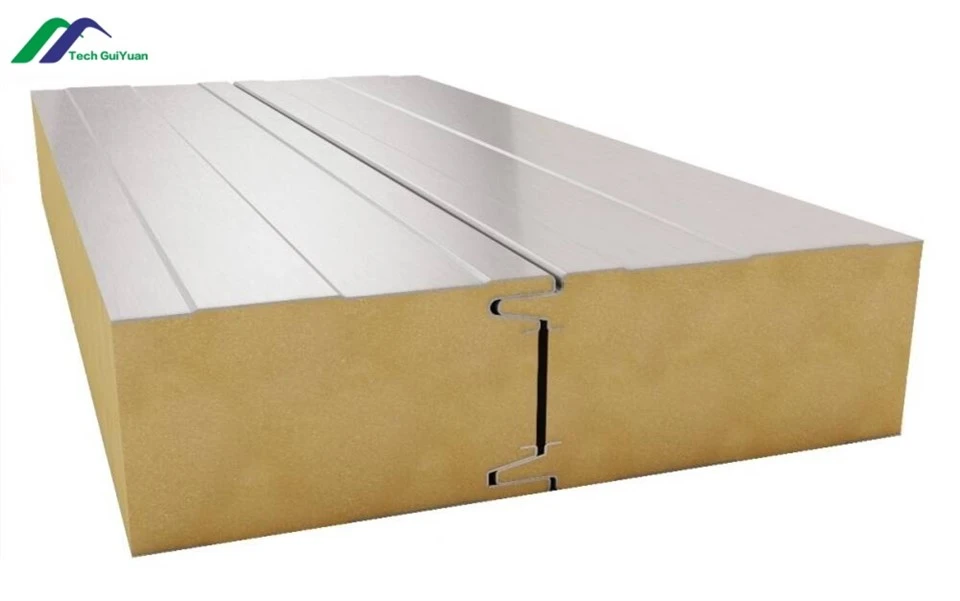
At [Supplier], we offer a wide range of high-quality Cold Room Wall Panels, Polyurethane Cold Room Panels, and Cold Room Insulation Panels that are designed to withstand the challenges of snow and other environmental factors. Our panels are made from durable materials and are installed by experienced professionals to ensure optimal performance and longevity.
If you're in the market for cold storage panels or need advice on managing the impact of snow on your existing cold storage facility, please don't hesitate to contact us. Our team of experts is here to help you find the right solution for your needs and to ensure your cold storage facility operates efficiently and effectively for many years to come.
References
- Department of Energy. (Year). Study on the Energy Efficiency of Cold Storage Buildings with Snow Insulation.
- American Society of Heating, Refrigerating and Air-Conditioning Engineers (ASHRAE). (Year). Handbook of Refrigeration.
- National Snow and Ice Data Center. (Year). Snow Properties and Processes.


