Installing a heating system in a folding container house can significantly enhance its livability, especially in colder climates. As a folding container house supplier, I've had the opportunity to work on numerous projects where heating system installation was a crucial part of the process. In this blog, I'll guide you through the steps of installing a heating system in a folding container house, from planning to the final touches.
Planning the Heating System
Before you start the installation process, it's essential to plan your heating system carefully. Consider the following factors:
Size of the Container House
The size of your folding container house will determine the heating capacity you need. Larger houses require more powerful heating systems to maintain a comfortable temperature. You can calculate the heating load based on the square footage of the house, the insulation level, and the local climate.
Insulation
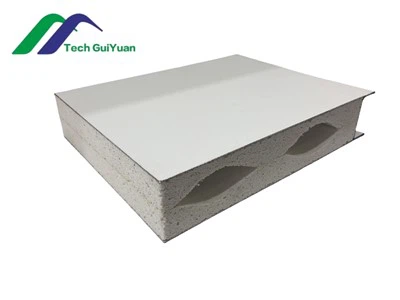
Proper insulation is key to reducing heat loss and making your heating system more efficient. Folding container houses can be insulated using various materials, such as spray foam insulation, fiberglass insulation, or rigid foam boards. Insulate the walls, ceiling, and floor of the container house to minimize heat transfer.
Type of Heating System
There are several types of heating systems available for folding container houses, including:
- Electric Heaters: Electric heaters are easy to install and operate. They come in various types, such as baseboard heaters, portable heaters, and radiant heaters. However, they can be expensive to run, especially in areas with high electricity rates.
- Gas Heaters: Gas heaters are more energy-efficient than electric heaters and can provide a constant source of heat. They can run on natural gas or propane. However, they require proper ventilation to prevent the buildup of carbon monoxide.
- Heat Pumps: Heat pumps are a popular choice for folding container houses because they can both heat and cool the space. They work by transferring heat from the outside air to the inside of the house in the winter and vice versa in the summer. Heat pumps are energy-efficient but can be more expensive to install.
Budget
Your budget will also play a role in determining the type of heating system you choose. Consider the upfront cost of the system, as well as the long-term operating costs.
Preparing the Container House
Once you've planned your heating system, it's time to prepare the container house for installation.
Clean the Container
Before you start installing the heating system, clean the inside of the container house thoroughly. Remove any debris, dust, or dirt to ensure a clean working environment.
Install Insulation
As mentioned earlier, proper insulation is crucial for a heating system to work efficiently. Install insulation in the walls, ceiling, and floor of the container house according to the manufacturer's instructions. Make sure to seal any gaps or cracks to prevent heat loss.
Create Ventilation Holes
If you're installing a gas heater or a heat pump, you'll need to create ventilation holes in the container house. These holes will allow fresh air to enter the house and exhaust fumes to exit. Make sure to follow the manufacturer's guidelines for the size and location of the ventilation holes.
Installing the Heating System
Now that the container house is prepared, it's time to install the heating system.
Electric Heaters
If you're installing an electric heater, follow these steps:
- Choose the Location: Select a suitable location for the heater. Make sure it's away from flammable materials and has proper ventilation.
- Mount the Heater: Mount the heater on the wall or floor according to the manufacturer's instructions. Use the appropriate hardware and make sure it's securely attached.
- Connect the Wiring: Connect the heater to the electrical supply using the appropriate wiring. Make sure to follow the electrical codes and regulations in your area.
- Test the Heater: Once the heater is installed and connected, test it to make sure it's working properly.
Gas Heaters
If you're installing a gas heater, follow these steps:
- Choose the Location: Select a suitable location for the heater. Make sure it's away from flammable materials and has proper ventilation.
- Install the Ventilation System: Install the ventilation system according to the manufacturer's instructions. This may include a vent pipe, a chimney, or a fan.
- Connect the Gas Supply: Connect the heater to the gas supply using the appropriate piping. Make sure to use a professional plumber or gas fitter to ensure a safe and proper connection.
- Test the Heater: Once the heater is installed and connected, test it to make sure it's working properly. Check for any gas leaks using a gas leak detector.
Heat Pumps
If you're installing a heat pump, follow these steps:
- Choose the Location: Select a suitable location for the heat pump. Make sure it's away from flammable materials and has proper ventilation.
- Install the Outdoor Unit: Install the outdoor unit of the heat pump in a well-ventilated area. Make sure it's level and securely mounted.
- Install the Indoor Unit: Install the indoor unit of the heat pump in the container house. Make sure it's level and securely mounted.
- Connect the Refrigerant Lines: Connect the refrigerant lines between the outdoor unit and the indoor unit. Make sure to follow the manufacturer's instructions and use the appropriate tools.
- Connect the Electrical Wiring: Connect the electrical wiring between the outdoor unit and the indoor unit. Make sure to follow the electrical codes and regulations in your area.
- Test the Heat Pump: Once the heat pump is installed and connected, test it to make sure it's working properly. Check the temperature and the airflow to ensure a comfortable environment.
Testing and Maintenance
After the heating system is installed, it's important to test it and perform regular maintenance to ensure its proper functioning.


Testing the System
Once the heating system is installed, test it to make sure it's working properly. Check the temperature, the airflow, and the thermostat settings. Make sure the system is heating the container house evenly and efficiently.
Regular Maintenance
Regular maintenance is essential to keep your heating system in good working condition. Here are some maintenance tips:
- Clean the Filters: Clean or replace the filters in your heating system regularly to ensure proper airflow.
- Check the Thermostat: Check the thermostat settings regularly to make sure they're accurate.
- Inspect the Ductwork: Inspect the ductwork for any leaks or damage. Seal any leaks to prevent heat loss.
- Schedule Professional Maintenance: Schedule professional maintenance at least once a year to ensure the safe and efficient operation of your heating system.
Conclusion
Installing a heating system in a folding container house is a great way to enhance its livability and comfort. By following the steps outlined in this blog, you can install a heating system that meets your needs and budget. Remember to plan carefully, prepare the container house properly, install the system correctly, and perform regular maintenance.
If you're interested in purchasing a Collapsible Container House or Collapsible Container Homes and need assistance with heating system installation, feel free to contact us. We're a leading Foldable Container House supplier with years of experience in providing high-quality container houses and installation services. We'll be happy to help you create a comfortable and energy-efficient living space.
References
- "Heating Systems for Homes." U.S. Department of Energy.
- "How to Install a Baseboard Heater." This Old House.
- "Gas Heater Installation Guide." HomeAdvisor.
- "Heat Pump Installation and Maintenance." Energy.gov.