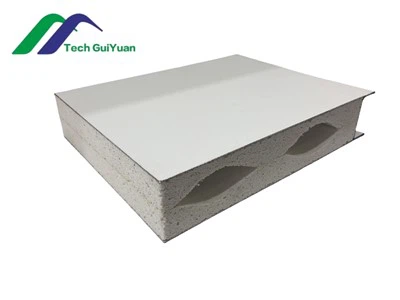
As a seasoned supplier of Fire-rated Purification Panels, I've witnessed firsthand the critical role these panels play in ensuring safety and maintaining high standards in various environments. In this blog, we'll delve into the fire - protection level of fire - rated purification panels, exploring what it means, how it's determined, and why it matters.
Understanding Fire - Protection Levels
Fire - protection levels are a measure of a material's ability to resist the spread of fire and maintain its structural integrity during a fire event. For fire - rated purification panels, these levels are crucial as they are often used in environments where fire safety is of utmost importance, such as clean rooms in pharmaceutical, electronics, and food processing industries.
The fire - protection level of a panel is typically classified according to international standards. One of the most widely recognized standards is the UL (Underwriters Laboratories) classification in the United States and the EN (European Norm) standards in Europe. These standards define different fire - resistance ratings based on factors such as the time a panel can withstand exposure to fire without losing its integrity, insulation properties, or ability to prevent the passage of flames.
For example, a panel with a UL 1 hour fire - rating can withstand a fire for up to one hour under specific test conditions. This means that during this time, the panel will not allow flames to pass through, and it will continue to provide a certain level of insulation, helping to contain the fire and protect the surrounding areas.
Factors Affecting Fire - Protection Levels
Several factors contribute to the fire - protection level of fire - rated purification panels.
Core Material
The core material of the panel is one of the most significant factors. Different core materials have different fire - resistant properties. For instance, Mechanical ROCK WOOL Clean Room Panel uses rock wool as its core material. Rock wool is a highly fire - resistant material that can withstand high temperatures without melting or burning. It has excellent insulation properties, which helps to slow down the spread of heat and fire.
On the other hand, some panels may use polyurethane or polystyrene cores. While these materials are lightweight and have good insulation properties, they are more flammable compared to rock wool. Therefore, panels with these cores may have a lower fire - protection level unless they are specially treated to improve their fire resistance.
Panel Construction
The construction of the panel also plays a crucial role. A well - constructed panel with proper seals and joints can prevent the passage of flames and hot gases. For example, the edges of the panel should be sealed to prevent fire from entering the core. Additionally, the way the panel is installed can affect its fire - protection performance. A panel that is installed correctly, with no gaps or loose connections, will provide better fire protection than one that is poorly installed.
Surface Finish
The surface finish of the panel can also impact its fire - protection level. Some surface finishes are designed to be fire - retardant, which can help to slow down the ignition and spread of fire. For example, a panel with a fire - retardant paint or coating can provide an additional layer of protection.


Importance of Fire - Protection Levels in Different Applications
The fire - protection level of fire - rated purification panels is of utmost importance in various applications.
Clean Rooms
In clean rooms, maintaining a high level of fire safety is essential. Clean rooms are used in industries where even the smallest amount of contamination can have a significant impact on product quality. A fire in a clean room can not only cause damage to equipment and products but also release harmful contaminants into the environment. Fire - rated purification panels with a high fire - protection level can help to prevent the spread of fire and protect the clean room environment.
For example, in a pharmaceutical clean room, where strict hygiene and safety standards are required, Clean Room Sandwich Panel for Roof with a high fire - rating can provide reliable fire protection. These panels can prevent fire from spreading from the roof to the rest of the clean room, protecting the sensitive pharmaceutical products and equipment inside.
Industrial Buildings
In industrial buildings, fire - rated purification panels can help to compartmentalize the building and prevent the spread of fire. This is especially important in large industrial facilities where a fire can quickly spread and cause extensive damage. By using panels with a high fire - protection level, the building owner can reduce the risk of fire damage and protect the lives of employees.
Commercial Buildings
In commercial buildings such as offices and shopping malls, fire - rated purification panels can be used to improve fire safety. These panels can be installed in corridors, stairwells, and other areas to prevent the spread of fire and smoke. For example, Manual Clean Room Panel can be used in areas where a high level of fire protection is required, such as near electrical panels or in areas with a high risk of fire.
Determining the Right Fire - Protection Level
When choosing fire - rated purification panels, it's essential to determine the right fire - protection level for your specific application. This involves considering several factors, including the type of building, the occupancy, and the potential fire hazards.
For example, in a high - risk environment such as a chemical storage facility, a panel with a high fire - rating, such as a UL 2 - hour or 3 - hour rating, may be required. On the other hand, in a low - risk environment such as a small office, a panel with a lower fire - rating may be sufficient.
It's also important to consult with a fire safety professional or a building code official to ensure that you are meeting all the relevant fire safety regulations. They can provide valuable advice on the appropriate fire - protection level for your project.
Conclusion
The fire - protection level of fire - rated purification panels is a critical factor that should not be overlooked. It is determined by various factors such as the core material, panel construction, and surface finish. Choosing the right fire - protection level is essential for ensuring the safety of your building and its occupants.
As a supplier of Fire - rated Purification Panels, we are committed to providing high - quality panels with excellent fire - protection performance. Our Mechanical ROCK WOOL Clean Room Panel, Clean Room Sandwich Panel for Roof, and Manual Clean Room Panel are designed to meet the highest fire safety standards.
If you are interested in learning more about our fire - rated purification panels or have any questions about fire - protection levels, please feel free to contact us. We are here to help you make the right choice for your project.
References
- Underwriters Laboratories (UL) Standards for Fire - Resistance Testing
- European Norm (EN) Standards for Fire - Resistance of Building Materials
- International Building Code (IBC) Requirements for Fire - Rated Construction