


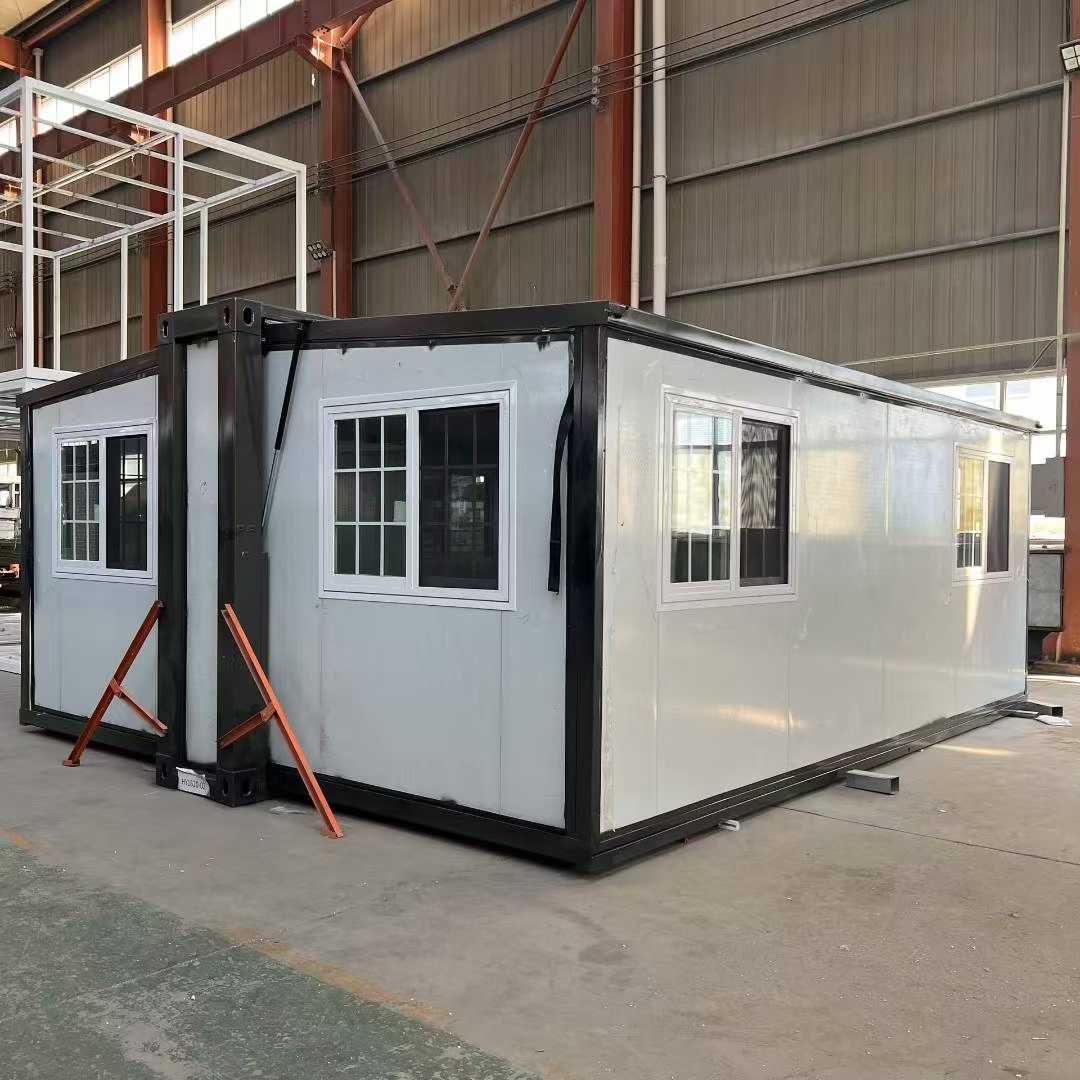
 Container homes have become a go-to choice for modern housing, thanks to their low cost, eco-friendliness, and adaptability. One standout variant gaining attention is the portable expandable home-a design that balances mobility with flexible space. But as more people explore these structures, a key question keeps popping up: Do container homes really need a foundation?
In this post, we'll dig into that question, along with related topics like the best materials to place under a shipping container, how to design a solid foundation, and whether options like gravel or concrete slabs are necessary. We'll also keep an eye on how these considerations apply, so you'll know exactly what your setup requires.
Do container homes need a foundation?
Most container homes,do need some kind of foundation. Here's why: stability, durability, and protection.
Shipping containers are tough enough to handle ocean voyages, but when you turn one into a home, it needs extra support. A foundation stops the container from sinking into soft ground over time, keeps moisture and pests at bay, and helps it stand up to bad weather like strong winds or earthquakes.
For portable expandable container house, it depends on how you use them. Short-term setups might get by with simple supports like concrete blocks or gravel. But if you plan to live in it long-term-especially once it's expanded-you'll want a sturdier foundation to keep everything secure.
What's the best thing to put under a shipping container?
The right material under your shipping container depends on your budget, where you live, and whether your home is permanent or on the move, Here are the top picks:
Concrete slabs: Great for permanent homes or large portable expandable homes that stay put. They're strong, last forever, and keep moisture out. The downside? They cost more and take time to install.
Gravel: A budget-friendly choice, perfect for temporary setups or Lightweight houses of this type. It drains well and is easy to lay. Just make sure you use 3/4-inch gravel, compact it well, and lay it 4–6 inches thick.
Concrete blocks: Easy to set up and adjust, making them good for uneven ground. They work well for small double wing container homes, but space them evenly to avoid warping the container.
Piles: If you're on soft soil or in a flood zone, piles are a smart move. They drive deep into the ground to support the container, though you'll need special equipment to install them.
What is the foundation design for container homes?
Designing a foundation for a container home means thinking about your land, climate, soil, and the size of your home grows over time.
Key things to consider:
Terrain: Flat ground is easy, but sloped areas might need leveling.
Weather: Cold climates need foundations below the frost line; rainy areas need good drainage.
Soil type: Clay holds water (bad), sand drains fast (good but sometimes unstable).
Home size: Portable expandable homes get bigger when expanded, so the foundation needs to handle extra weight.
Common designs:
Strip foundations: A continuous concrete strip under the container walls. Good for linking multiple containers or portable homes that need a unified base.
Slab foundations: A solid concrete slab on the ground. Super stable for permanent homes. If your home stays in one spot long-term, this works well.
Pier foundations: Concrete or steel piers under the container's corners. Cheap, easy, and great for expandable homes-you can add more piers when it expands.
Tips for such expandable homes: Go for modular foundations like piers or gravel. They're easy to adjust when you expand the home, and keeping the base level is crucial to avoid damaging the expandable parts.
Can a shipping container sit on gravel?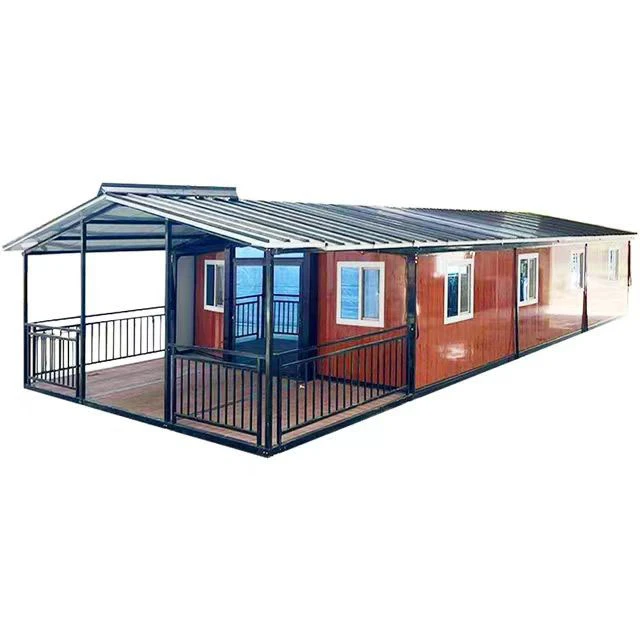
Absolutely, a shipping container can sit on gravel-if you do it right. Gravel is a favorite for temporary homes and portable expandable homes because it's cheap and easy to work with.
Here's how to do it:
Pick the right gravel: Use 3/4-inch angular gravel (not rounded stones) so it packs down tight.
Prep the area: Clear weeds and debris, level the ground, and lay landscape fabric to stop weeds from growing up.
Compact it: Use a plate compactor to pack the gravel in 2–3 inch layers.
Add edges: Use timbers or curbs to keep the gravel from spreading.
Gravel works well for portable homes used seasonally or in mild climates. But if you're in a place with heavy rain, strong winds, or soft soil, you might need something sturdier.
Do you need a concrete slab for a shipping container?
You don't have to use a concrete slab, but it's a great option in many cases. It's perfect for permanent homes, businesses, or those homes that stay in one place for years.
Pros: Slabs are level, stable, and keep out moisture and pests. They can handle heavy loads, so they're good for large portable expandable homes with multiple expansions. They even double as a floor.
Cons: They're expensive and take time to pour and cure. Once they're down, you can't move them-so they're not great for this type of Lightweight houses that need to relocate.
When to use one: If you're building a forever home, live in a harsh climate that won't move, a slab is worth the investment. For mobile setups, stick with gravel or blocks.
Most container homes,need a foundation to stay stable, last longer, and survive the elements. The best foundation for you depends on your budget, where you live, and how you use the home.
For such homes, flexibility matters. Gravel or pier foundations are usually best since they're easy to adjust when the home expands or moves. For permanent setups, concrete slabs are tough to beat.Take a look at your needs and local conditions, and you'll find the perfect foundation for your container home.


