


Hey there! As a cold storage panel supplier, I often get asked about the temperature range that cold storage panels can withstand. It's a crucial question, especially for businesses that rely on proper temperature control to keep their products fresh and safe. So, let's dive right into it!
Understanding Cold Storage Panels
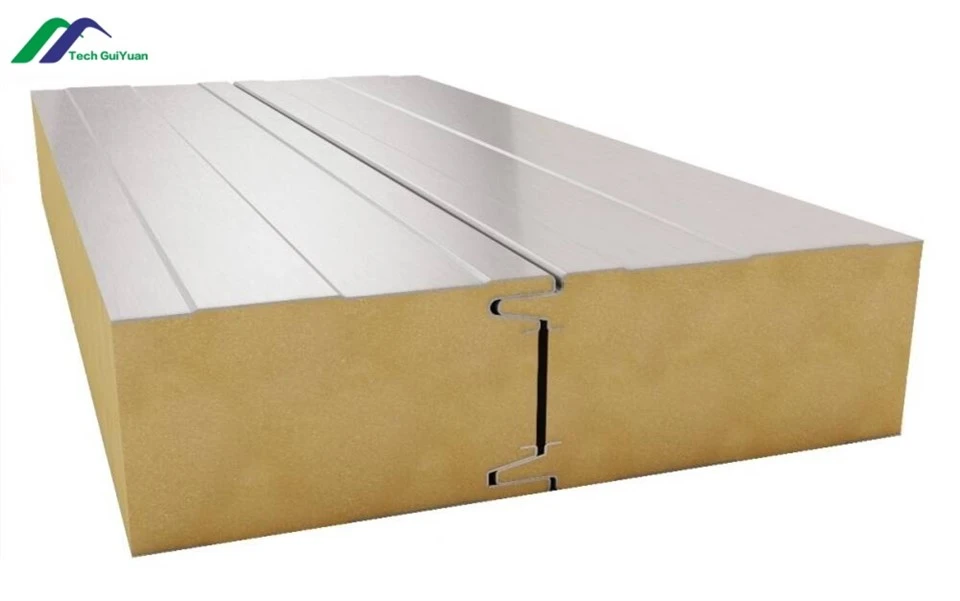
First off, what exactly are cold storage panels? Well, they're basically insulated panels used to build cold rooms, walk - in freezers, and other temperature - controlled spaces. These panels are designed to provide a barrier against heat transfer, helping to maintain a stable internal temperature. There are different types of cold storage panels, like Cold Room Insulation Panels, Cold Room Pu Panel, and Polyurethane Cold Room Panels. Each type has its own unique properties and temperature - withstanding capabilities.
Factors Affecting Temperature Resistance
Before we talk about the specific temperature ranges, it's important to understand the factors that can affect a cold storage panel's ability to withstand different temperatures.
Insulation Material
The insulation material used in the panel is a major factor. For example, polyurethane (PU) is a popular choice for cold storage panels. It has excellent insulation properties and can effectively reduce heat transfer. Panels with high - quality PU insulation can handle a wider range of temperatures compared to those with less efficient insulation materials.
Panel Thickness
Thicker panels generally offer better insulation and can withstand more extreme temperatures. A thicker panel provides a greater barrier between the inside and outside of the cold room, reducing the amount of heat that can penetrate.
Sealing and Installation
Proper sealing and installation are also crucial. If the panels are not installed correctly or if the seals are not tight, heat can leak in or out, affecting the internal temperature. Even the best - quality panels won't perform well if they're not installed properly.
Typical Temperature Ranges
Now, let's get to the nitty - gritty of the temperature ranges.
For Mild Cold Storage
For applications where you need to maintain a relatively mild cold temperature, say between 2°C and 8°C (35.6°F - 46.4°F), most standard cold storage panels can do the job. This is the kind of temperature range you'd typically find in a walk - in cooler used to store fresh produce, dairy products, or beverages. Panels with a thickness of around 50mm - 100mm and made of good - quality insulation materials like polyurethane can easily maintain this temperature range.
For Medium - Level Cold Storage
When the temperature needs to be dropped a bit lower, between - 18°C and - 23°C (0°F - - 9.4°F), which is common for frozen food storage, you'll need more robust panels. Panels with a thickness of 100mm - 150mm are usually recommended. Polyurethane cold storage panels are particularly well - suited for this range because of their high insulation value. They can effectively prevent the cold air from escaping and the warm air from seeping in, keeping your frozen goods in perfect condition.
For Ultra - Low Temperatures
In some cases, you might need to store items at extremely low temperatures, like - 40°C (- 40°F) or even lower. This is often required in industries such as pharmaceuticals, biotechnology, or high - end food storage. For these ultra - low temperature applications, you'll need specialized cold storage panels. These panels are usually very thick, often 200mm or more, and are made with advanced insulation materials. They're designed to provide maximum insulation and can withstand the extreme cold without losing their structural integrity.
Testing and Certification
To ensure that our cold storage panels can withstand the specified temperature ranges, we conduct rigorous testing. We use industry - standard testing methods to measure the thermal performance of the panels. Panels that meet the required standards are then certified. This certification gives our customers peace of mind, knowing that the panels they're buying are reliable and will perform as expected.
Real - World Examples
Let me share a few real - world examples to give you a better idea of how these temperature ranges work in practice.
A local grocery store was using our cold storage panels to build a walk - in cooler for storing fresh fruits and vegetables. They wanted to maintain a temperature between 2°C and 8°C. We installed 75mm thick polyurethane panels, and they've been able to keep the internal temperature stable within the desired range for years. The store has noticed a significant reduction in spoilage and energy costs since they switched to our panels.
On the other hand, a large - scale frozen food distributor needed a cold storage facility to store their products at - 20°C. We recommended 120mm thick panels made of high - quality polyurethane. After the installation, the distributor was able to maintain a consistent temperature in their cold room, ensuring the quality of their frozen goods.
Importance of Choosing the Right Panels
Choosing the right cold storage panels for your specific temperature requirements is essential. If you choose panels that can't handle the temperature range you need, you'll end up with inconsistent temperatures, which can lead to product spoilage, increased energy costs, and even equipment damage.

For example, if you use a panel designed for mild cold storage in an ultra - low temperature application, the panel won't be able to provide enough insulation. This means that the cooling system will have to work harder to maintain the low temperature, leading to higher energy consumption and a shorter lifespan for the equipment.
Conclusion
In conclusion, the temperature range that cold storage panels can withstand depends on several factors, including the insulation material, panel thickness, and installation quality. For mild cold storage, standard panels can work well, while more extreme temperatures require thicker, high - quality panels.
If you're in the market for cold storage panels and need to figure out the right ones for your temperature requirements, don't hesitate to reach out. We're here to help you choose the best panels for your specific needs. Whether you're running a small business or a large - scale industrial operation, we can provide you with the right solutions. Contact us today to start a conversation about your cold storage panel needs.
References
- ASHRAE Handbook of Refrigeration. This handbook provides comprehensive information on refrigeration systems and cold storage design, including details on the thermal performance of different insulation materials.
- Industry reports on cold storage technology. These reports analyze the latest trends and advancements in cold storage panel manufacturing, including temperature - withstanding capabilities.


