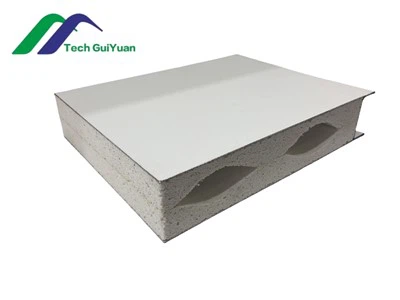
As a supplier of Fire-rated Purification Panels, I am often asked about how these innovative panels work to remove pollutants from the air. In this blog post, I will delve into the scientific principles behind the pollutant removal capabilities of fire-rated purification panels, providing a detailed understanding of their functionality and benefits.
The Basics of Fire-rated Purification Panels
Fire-rated purification panels are a type of building material designed to not only provide fire resistance but also improve indoor air quality by removing pollutants. These panels are typically used in clean rooms, hospitals, laboratories, and other environments where air purity is of utmost importance. They are composed of multiple layers, each with a specific function in the purification process.
Physical Filtration Mechanisms
One of the primary ways fire-rated purification panels remove pollutants is through physical filtration. The panels are equipped with high-efficiency particulate air (HEPA) filters or other types of filters that can trap solid and liquid particles in the air. HEPA filters are capable of capturing particles as small as 0.3 microns with an efficiency of 99.97%. This means that they can effectively remove dust, pollen, mold spores, and other airborne particles that can cause respiratory problems and allergies.
The filtration process works by forcing the air through the filter media. As the air passes through the filter, the particles are trapped on the surface or within the pores of the filter material. The size and density of the filter pores determine the efficiency of the filtration. Smaller pores can capture smaller particles, but they also increase the resistance to air flow, which requires more energy to push the air through the filter. Therefore, a balance needs to be struck between filtration efficiency and air flow resistance.
Chemical Adsorption
In addition to physical filtration, fire-rated purification panels also use chemical adsorption to remove gaseous pollutants from the air. Chemical adsorption is a process in which pollutants are attracted to and bound to the surface of a solid adsorbent material. The adsorbent material used in fire-rated purification panels is typically activated carbon or other types of porous materials with a large surface area.
Activated carbon is a highly porous material that has a large number of microscopic pores on its surface. These pores provide a large surface area for the adsorption of pollutants. When the air containing gaseous pollutants comes into contact with the activated carbon, the pollutants are adsorbed onto the surface of the carbon through a process called van der Waals forces. The pollutants are then held on the surface of the carbon until they are removed through a regeneration process.
Chemical adsorption is effective in removing a wide range of gaseous pollutants, including volatile organic compounds (VOCs), formaldehyde, and other harmful chemicals. VOCs are commonly found in building materials, paints, solvents, and other household products. They can cause a variety of health problems, including headaches, dizziness, nausea, and respiratory irritation. Formaldehyde is a known carcinogen that is commonly found in plywood, particleboard, and other wood products. By removing these pollutants from the air, fire-rated purification panels can significantly improve indoor air quality and reduce the risk of health problems.
Photocatalytic Oxidation
Another advanced technology used in fire-rated purification panels is photocatalytic oxidation (PCO). PCO is a process in which pollutants are broken down into harmless substances by using a photocatalyst and ultraviolet (UV) light. The photocatalyst is typically a semiconductor material, such as titanium dioxide (TiO2), which is coated on the surface of the panel.


When the photocatalyst is exposed to UV light, it generates electron-hole pairs. The electrons and holes react with water and oxygen in the air to produce hydroxyl radicals and superoxide anions. These highly reactive species can oxidize and break down a wide range of pollutants, including VOCs, bacteria, viruses, and other organic compounds. The pollutants are then converted into carbon dioxide and water, which are harmless substances.
PCO is a very effective way to remove pollutants from the air because it can break down pollutants at the molecular level. It is also a self-cleaning process, which means that the photocatalyst can be regenerated by exposure to sunlight or other sources of UV light. This makes PCO a sustainable and cost-effective solution for air purification.
Benefits of Fire-rated Purification Panels
The use of fire-rated purification panels offers several benefits in terms of air quality and fire safety. Here are some of the key benefits:
- Improved Indoor Air Quality: By removing pollutants from the air, fire-rated purification panels can significantly improve indoor air quality. This can reduce the risk of respiratory problems, allergies, and other health problems caused by airborne pollutants.
- Fire Resistance: Fire-rated purification panels are designed to provide fire resistance, which can help to prevent the spread of fire in a building. This can protect the occupants and property from the damage caused by fire.
- Energy Efficiency: Fire-rated purification panels are designed to be energy-efficient. They use advanced filtration and purification technologies that require less energy to operate compared to traditional air purification systems. This can help to reduce energy costs and environmental impact.
- Durability: Fire-rated purification panels are made of high-quality materials that are designed to be durable and long-lasting. They can withstand harsh environmental conditions and regular use without losing their effectiveness.
Applications of Fire-rated Purification Panels
Fire-rated purification panels are used in a wide range of applications where air purity and fire safety are important. Here are some of the common applications:
- Clean Rooms: Clean rooms are used in industries such as semiconductor manufacturing, pharmaceuticals, and biotechnology. These industries require a high level of air purity to prevent contamination of products and equipment. Fire-rated purification panels can be used to provide a clean and safe environment in clean rooms.
- Hospitals and Healthcare Facilities: Hospitals and healthcare facilities require a high level of air quality to prevent the spread of infections and diseases. Fire-rated purification panels can be used to remove airborne pathogens and other pollutants from the air, reducing the risk of healthcare-associated infections.
- Laboratories: Laboratories are used for scientific research and experimentation. These facilities require a high level of air purity to prevent contamination of samples and equipment. Fire-rated purification panels can be used to provide a clean and safe environment in laboratories.
- Commercial Buildings: Commercial buildings such as offices, hotels, and shopping malls require a high level of air quality to provide a comfortable and healthy environment for occupants. Fire-rated purification panels can be used to remove pollutants from the air, improving indoor air quality and reducing the risk of health problems.
Contact Us for Purchasing
If you are interested in purchasing fire-rated purification panels for your project, please feel free to contact us. We are a leading supplier of Manual Clean Room Panel, Mechanical MGO Clean Room Panel, and Rock Wool Sandwich Wall Panel. Our panels are designed to meet the highest standards of quality and performance, and we offer a wide range of customization options to meet your specific needs.
We have a team of experienced professionals who can provide you with technical support and guidance throughout the purchasing process. We also offer installation and maintenance services to ensure that your panels are installed correctly and operating efficiently. Contact us today to learn more about our products and services and to discuss your specific requirements.
References
- "Air Filtration and Purification: Principles and Applications" by William C. Hinds
- "Photocatalytic Oxidation for Air Purification" by Michael R. Hoffmann
- "Activated Carbon Adsorption" by Robert C. Brown