


As a supplier of detachable container houses, I understand the importance of ensuring that these structures are comfortable, especially during the cold winter months. Detachable container houses offer flexibility, mobility, and cost - effectiveness, but making them cozy in winter requires some strategic planning and implementation. In this blog, I'll share some practical tips on how to make a detachable container house more comfortable in winter.
1. Insulation is Key
One of the most crucial aspects of winterizing a detachable container house is proper insulation. Containers are typically made of metal, which is a good conductor of heat. This means that without adequate insulation, a significant amount of heat can escape during winter, making the interior cold and uncomfortable.
There are several insulation materials available for container houses. Fiberglass insulation is a popular choice. It is relatively inexpensive, easy to install, and has good thermal resistance properties. You can install fiberglass batts in the walls and ceilings of the container. Another option is spray - foam insulation. This type of insulation expands to fill all the gaps and crevices, providing an air - tight seal. It offers excellent insulation performance but can be more costly than fiberglass.
When installing insulation, it's important to pay attention to the joints and seams of the container. These areas are prone to heat leakage. Use insulation tape or caulk to seal any gaps around the windows, doors, and where different sections of the container meet.
2. Upgrade Windows and Doors
Windows and doors are major sources of heat loss in any building, and detachable container houses are no exception. In winter, old or poorly insulated windows and doors can let in cold air and allow warm air to escape.
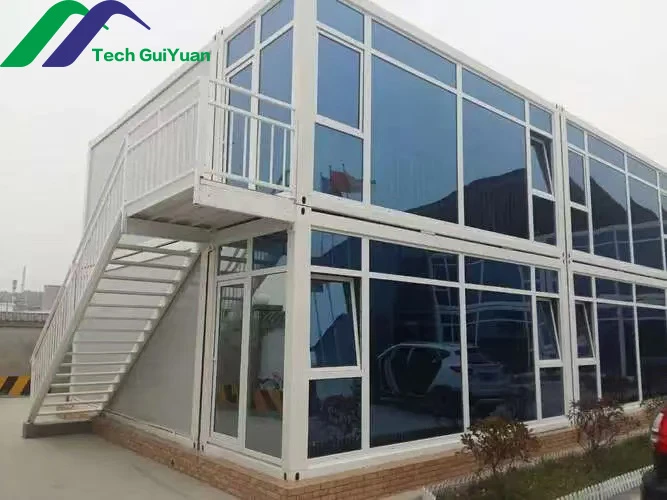

Consider upgrading to double - or triple - glazed windows. These windows have multiple layers of glass with a layer of air or gas in between, which provides better insulation. They can significantly reduce heat loss and keep the interior warmer.
Similarly, choose well - insulated doors. Look for doors with a high R - value (a measure of thermal resistance). You can also add weatherstripping around the doors to create a tight seal when closed. This will prevent cold drafts from entering the house.
3. Heating Systems
A reliable heating system is essential for a comfortable winter in a detachable container house. There are several options to choose from, depending on your budget, energy source availability, and personal preferences.
Electric heaters are a simple and convenient option. They come in various forms, such as space heaters, baseboard heaters, and radiant heaters. Electric heaters are easy to install and can provide immediate heat. However, they can be relatively expensive to operate, especially if you use them for extended periods.
Gas heaters are another popular choice. Natural gas or propane heaters can be more efficient than electric heaters, especially for larger container houses. They can provide a consistent source of heat and are often more cost - effective in the long run. However, proper ventilation is required when using gas heaters to prevent the buildup of carbon monoxide.
Underfloor heating is a luxurious option that can make your container house extremely comfortable in winter. It involves installing heating elements under the floor, which radiates heat upwards. This type of heating provides even heat distribution and can be controlled zone by zone. Although it has a higher upfront cost, it can be energy - efficient and add value to your container house.
4. Sealing and Draft - Proofing
Even with good insulation and proper heating systems, drafts can still make a container house feel cold. Inspect the container for any small holes, cracks, or gaps where cold air can enter. Use caulk to seal small cracks around windows, doors, and pipes. For larger gaps, you can use expanding foam or weatherstripping.
Pay special attention to the areas around the container's joints and seams. These areas are often overlooked but can be significant sources of drafts. You can use metal flashing or sealant to ensure a tight seal.
Also, check the ventilation system. While ventilation is important for air quality, you may need to adjust it in winter to reduce the amount of cold outside air entering the house. Some ventilation systems have adjustable dampers that can be closed partially during cold weather.
5. Interior Design and Furnishings
The right interior design and furnishings can also contribute to the comfort of a detachable container house in winter.
Rugs and carpets are great for insulating the floor. They not only add a layer of warmth but also make the house feel more cozy. You can place large area rugs in the living room, bedroom, and other high - traffic areas.
Heavy curtains can also help to keep the heat inside. Choose curtains made of thick, insulating materials and close them at night to prevent heat from escaping through the windows.
Furniture placement can also affect the distribution of heat. Avoid blocking heat vents or radiators with furniture. Instead, arrange the furniture in a way that allows the heat to circulate freely throughout the room.
6. Energy - Saving Tips
In addition to the above measures, there are some energy - saving tips that can help you keep your detachable container house warm while reducing energy costs.
Use a programmable thermostat to control the temperature. You can set it to lower the temperature when you're away or asleep and raise it when you're at home and active. This can save a significant amount of energy over time.
Seal unused rooms if possible. If you have a room in the container house that you don't use often, close the door and block the vents to prevent heat from being wasted in that area.
Take advantage of natural sunlight during the day. Open the curtains and blinds to let the sun's warmth in. This can help to reduce the need for artificial heating.
As a supplier of detachable container houses, we offer a range of Detachable Steel Container House, Detachable Prefab Container House and Prefab Detachable Container House that can be customized to meet your winter comfort needs. If you're interested in purchasing a detachable container house or need more information on how to winterize your existing one, please feel free to contact us for procurement and negotiation.
References
- "Container Home Living: A Complete Guide" by Jane Smith
- "Energy - Efficient Buildings in Cold Climates" by John Doe
- Various industry reports on container house construction and insulation materials.


